Family Travel and Developmental Intentionality
Even the best-intentioned parents can fall into a cycle where the change, awe and development from a travel sees diminishing returns.
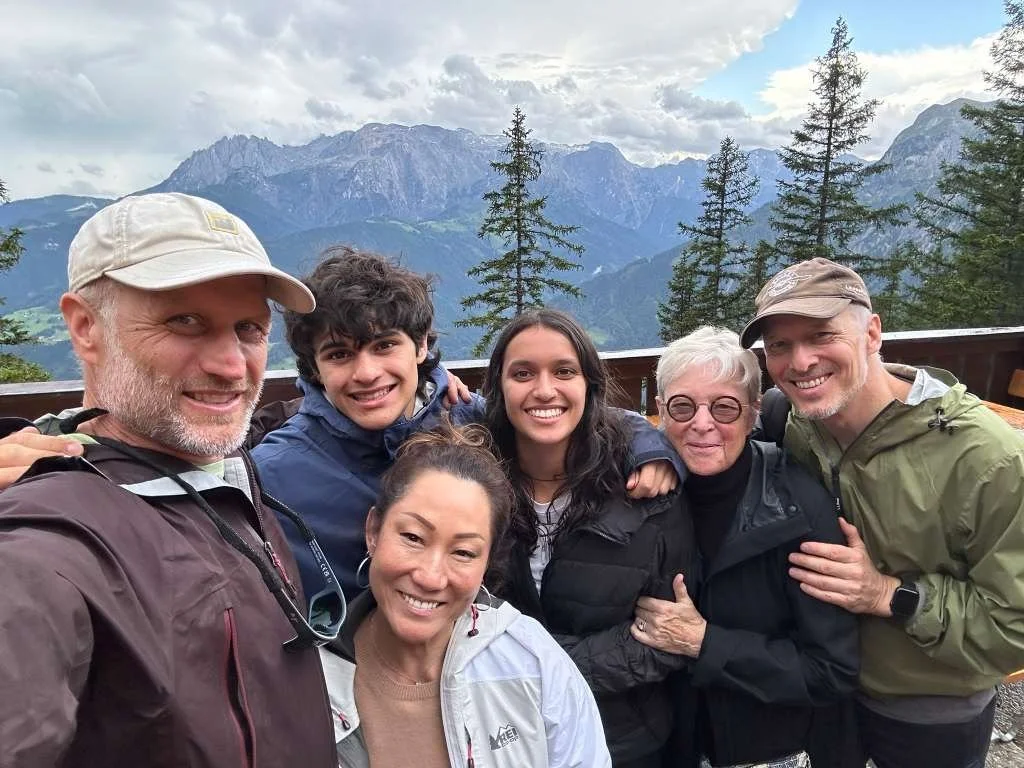
Greg and his family in Switzerland
Meet Greg.
Greg was one of the first parents we worked with. He already understood the impact of travel, but he was having trouble balancing intentionality and “sounds fun” to make sure his kids had a real view of the world.
Greg didn't grow up with money. He became a pediatrician, built a successful practice, and created the kind of life for his kids he'd never had. He traveled extensively with his kids Sanam, 16, and Sachin, 14.
Not just frequently, but adventurously. Via ferrata in Austria. Hiking in the Dolomites. They weren't the resort pool family. They were out there, active, experiencing things.
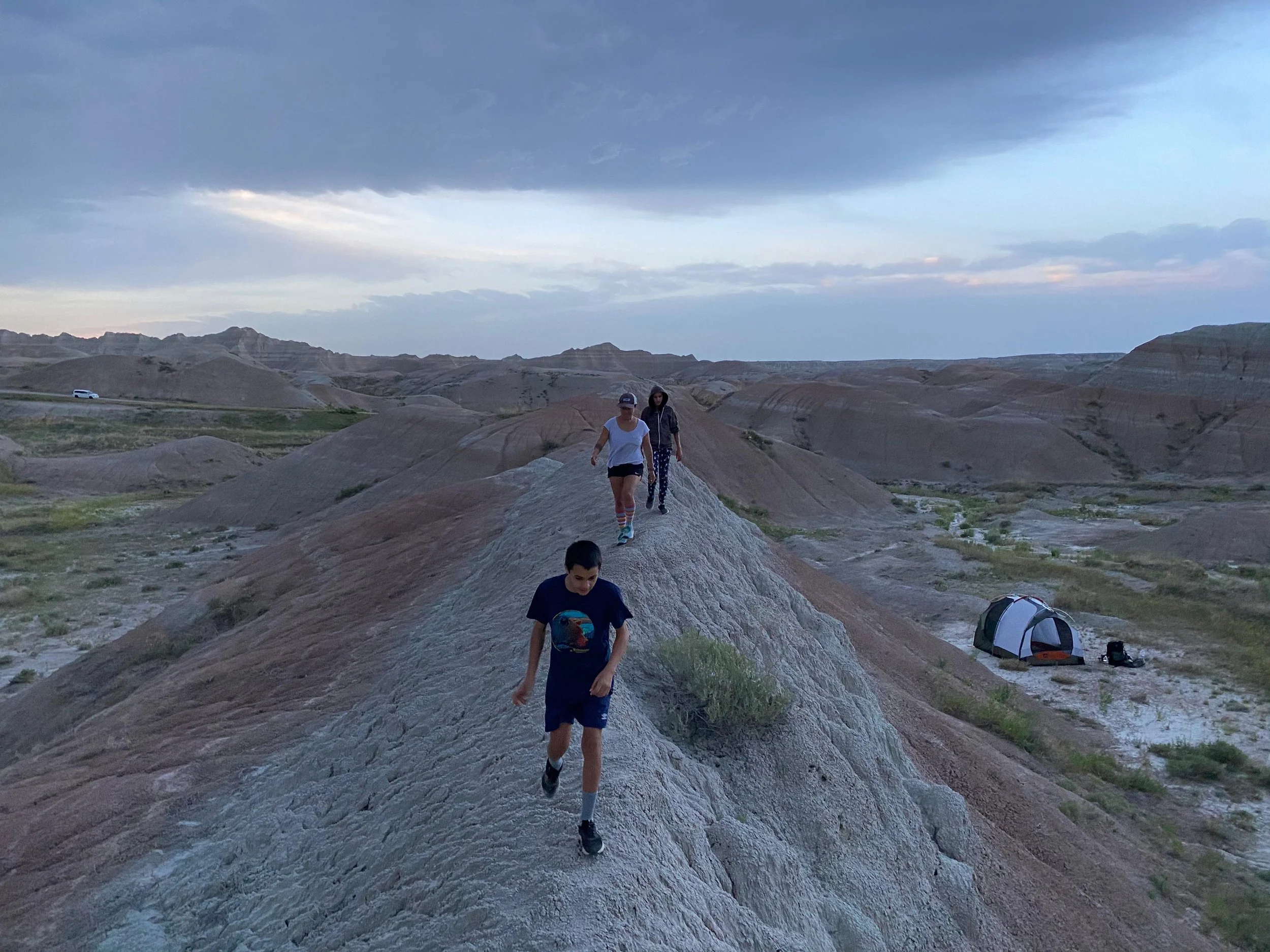
In Greg’s case, it wasn’t over-the-top luxury that was threatening his kids’ development. It was that every trip, despite the adventure and activity, followed the same pattern.
Wealthy Western cities. Developed infrastructure. Everyone spoke English or a Romance language. His kids had become experts at navigating one type of world, and in a lot of ways it was the same world they already lived in.
Most affluent families are stuck in exactly this pattern.
They travel frequently, invest significantly, stay active and engaged. But they're repeating the same cultural context over and over. They're hoping travel broadens their children's worldview while inadvertently reinforcing a narrow one.
The solution isn’t poverty tourism or to book a trip to the most exotic country in Asia or Africa you can think of. It also does not mean you should give up luxury.
The solution is to travel with developmental intentionality: matching experiences to developmental windows for maximum impact.
The Finite Window
As parents we often think about how much time we have left with our kids. But rarely do look at that window through the lens of travel.
If your child is 10 years old, you have roughly 16 major trips left before they leave for college. If they're 13, you have around 10 trips.
The number of trips where your kids are genuinely engaged, where experiences actually shape their emerging identity, is small.
Developmental psychology tells us that identity formation happens primarily between ages 10 and 16. In Erik Erikson's ‘Stages of Psychosocial Development,’ this applies mostly to School Age and Adolescence.
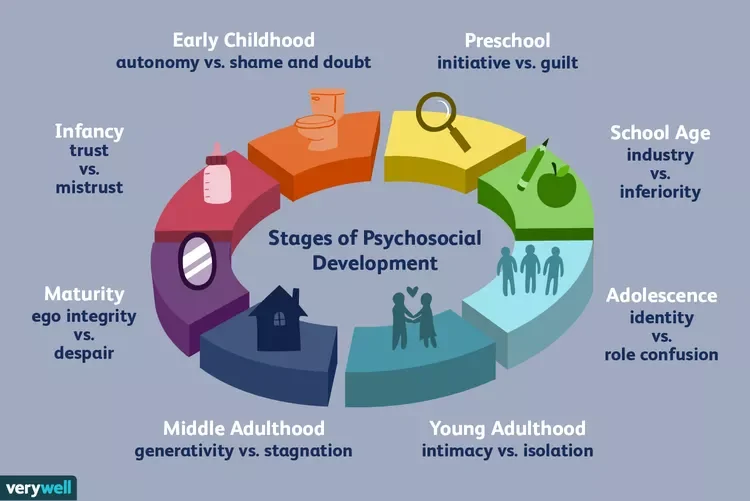
Studies published in developmental psychology journals confirm that the cultural framework your children will carry into adulthood, their fundamental worldview and values, solidifies during late adolescence. After 18, you're not shaping who they are. You're just taking nice trips with the adults they've become.
One of the greatest things you can do for your kids at this stage to fundamentally influence how they see and relate to the world is to travel strategically.
Greg didn’t want to look back at his family travel and see random trips that felt good in the moment but amounted to nothing developmentally.
The Four Stages of Developmental Travel
Every parent has seen just how quickly kids can change.
What works brilliantly at age 7 fails completely at age 14. What's transformative at 12 is overwhelming at 9. The same often applies to travel.
Developmental intentionality means matching experiences to readiness. Let’s quickly break down each of the stages.
Stage 1: Wonder (Ages 4-7)
Young children are ready for sensory immersion, animals, nature, and basic cultural differences. They're building curiosity and comfort with newness.
A marine biology experience in the Galápagos works beautifully here—touch pools, seeing wildlife up close, experiencing wonder at biodiversity.
What they're not ready for is complex history, poverty context, or political nuance. Taking your 6-year-old to a genocide museum isn't developmentally appropriate; it's trauma without framework for processing it.
Travel goal at this stage: Build curiosity and comfort with newness. Teach them the world is fascinating, not frightening.
Stage 2: Capability Building (Ages 8-11)
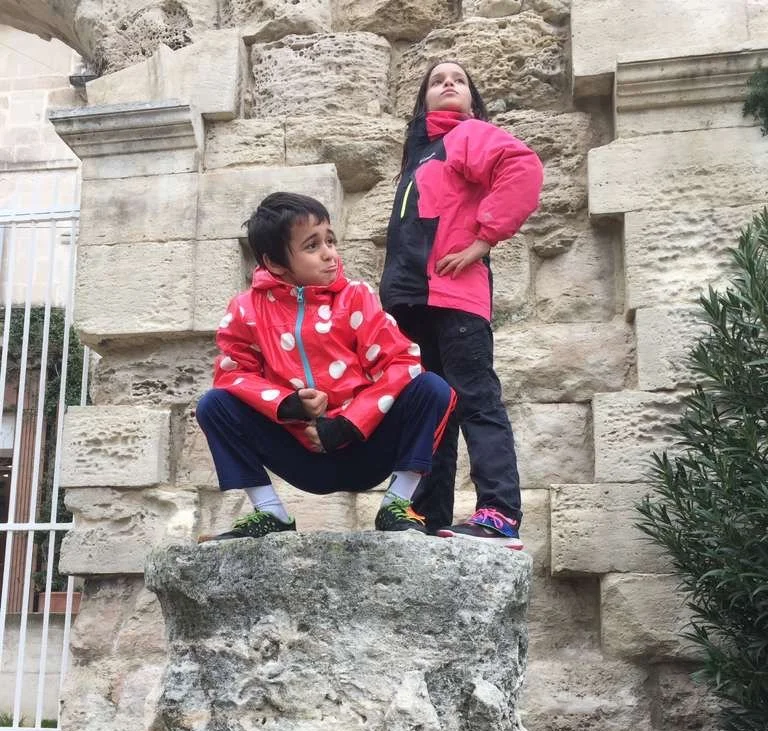
Sanam and Sachin at 11 and 9
Now they're ready for progressive challenges, skill mastery, and cultural navigation. Maybe not a via ferrata yet, but a serious hike in the Dolomites could be great. Some market navigation exercises in foreign cities, learning basic phrases in unfamiliar languages.
At this age your kids generally aren’t ready for complete independence or high-stakes decision making. This is supported challenge, not sink-or-swim independence.
Travel goal: Systematic confidence through progressive difficulty. Each trip should build capabilities they'll need for the next stage.
Stage 3: Identity Formation (Ages 12-15)
This is when travel can be transformative. Teenagers are ready for complex cultural contexts, economic systems, conservation ethics. They can understand indigenous land rights and basic conservation economics.
They're connecting culture, environment, and values to their emerging sense of self. Who they are is forming right now, and travel experiences become part of their identity narrative.
What they're not ready for is shock without framework. No poverty tourism that makes them feel guilty about privilege. Strategic exposure that helps them understand complexity and their role in it succeeds.
Travel goal: Connect culture, environment, and values to emerging identity. Help them see themselves as actors in the world, not just observers.
Stage 4: Independence Proving (Ages 16-18)
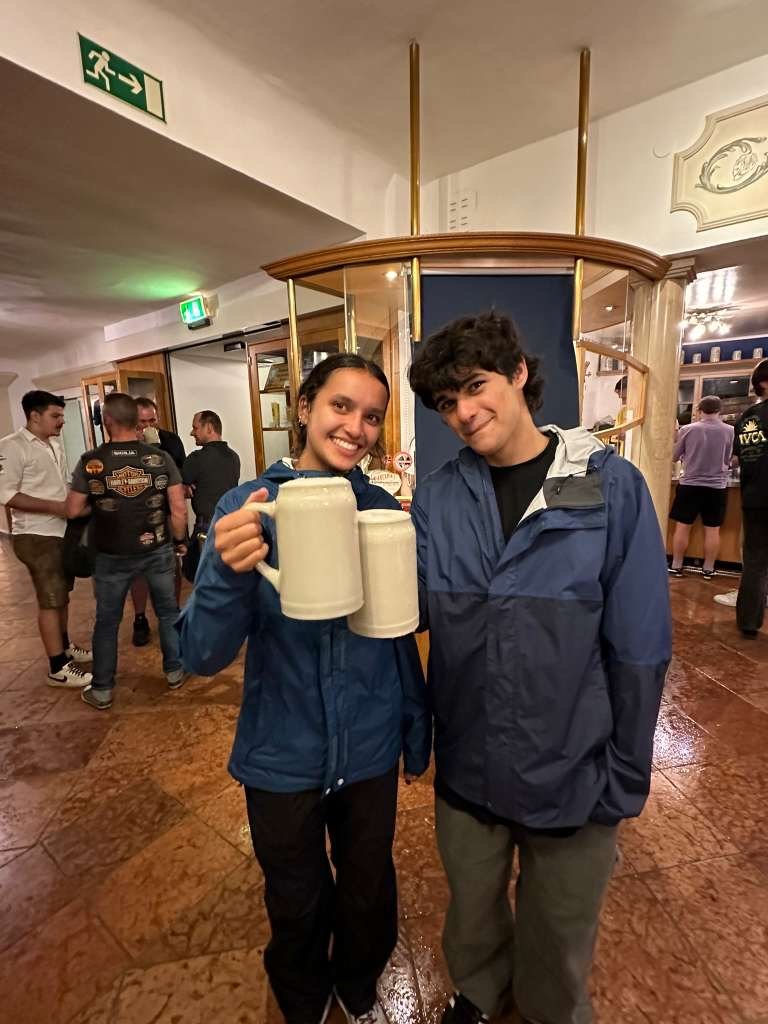
Sanam and Sachin at 16 and 14
Your kids are ready for solo experiences, leadership roles, and synthesis of everything they've learned.
For Greg’s family, this meant a solo trek in New Zealand his daughter. And it works because they systematically built the foundation in year 1 and 2. Send her solo at 16 without that foundation, and you're setting her up for anxiety and failure. The independence opportunity only works because capabilities were built progressively.
Travel goal: Demonstrate mastery and integration. Prove they can handle what life will throw at them.
Finding the Gaps
Greg's family demonstrates the missing opportunity when you travel extensively but not strategically.
When we looked at their three-year travel history, we saw seven destinations across five European countries, with only a 2.3 out of 10 on the cultural diversity index. Every single destination shared 91% cultural similarity.
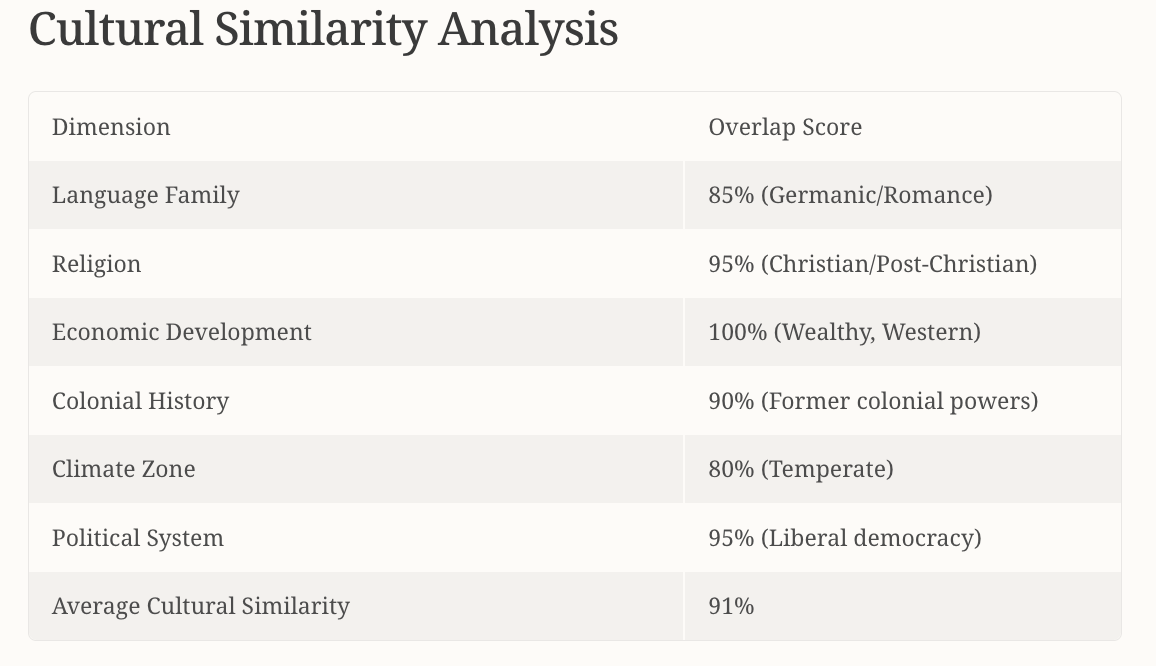
Greg’s Cultural Similarity Analysis from his Family Travel Diagnostic
Language families overlapped 85% (Germanic and Romance languages). Religious contexts overlapped 95% (Christian or post-Christian societies). Economic development overlapped 100% (wealthy, Western nations exclusively). Political systems overlapped 95% (liberal democracies). Climate zones overlapped 80% (temperate regions).
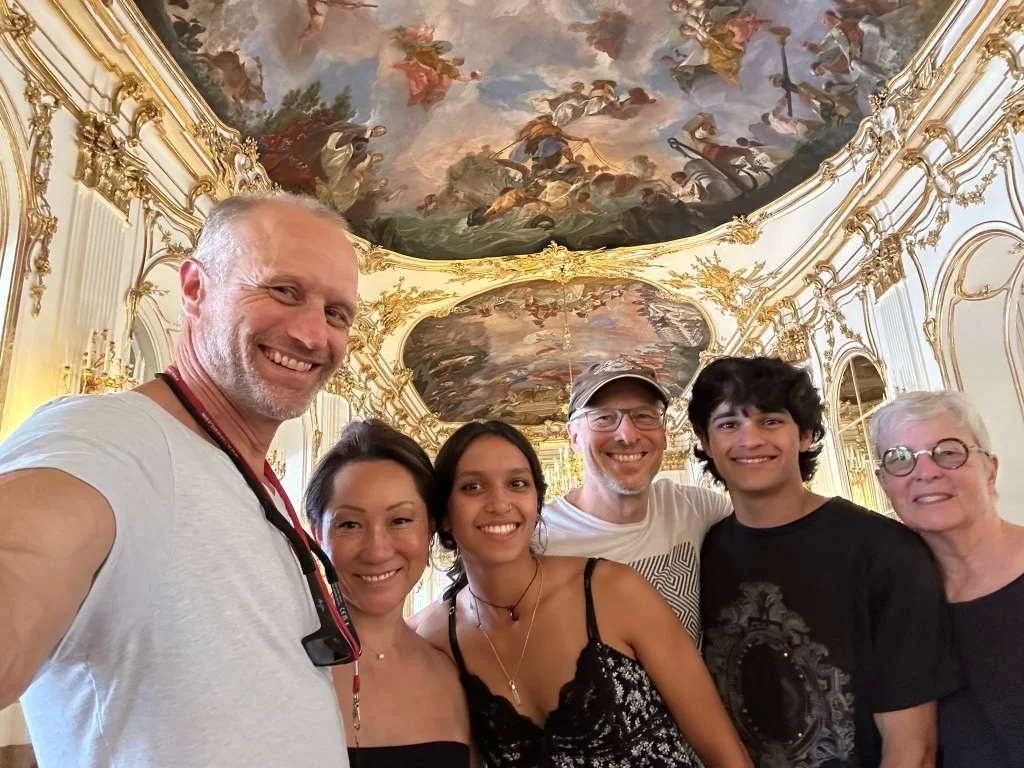
Greg and his family in Italy
Greg's children became experts at navigating one type of culture—affluent Western cities with developed infrastructure. Berlin, Barcelona, Florence, Vienna all felt different to them. But fundamentally, they were learning to operate within a narrow cultural bandwidth.
They had zero experience with Islamic cultures, Buddhist contexts, Indigenous communities, non-Western economic systems, tropical or desert environments, or any language family outside Germanic and Romance.
It’s estimated that 70% of wealthy families lose their wealth by the second generation. Not because of bad investments—because children raised in privilege who are only consumers and stewards of their wealth. When your travel pattern teaches consumption without context, comfort without challenge, privilege without purpose, you're not just missing developmental opportunities. You're actively creating the entitlement problem you're trying to avoid.
Greg’s daughter Sanam had 18-24 months before leaving for college. Maybe five or six major trips left. They were playing catch-up during the most critical developmental period of her life.
This is what reactive planning creates: families traveling extensively, investing significantly, hoping experiences matter—but missing the developmental windows entirely.
Working Backward: From Identity to Itinerary
Developmental travel works backward from the destination identity, not the geographic destination.
Start with who you want your child to be at 18: "I want my daughter to be a culturally fluent global citizen who understands conservation economics and can navigate uncertainty with confidence."
That's radically different from: "I want to visit Japan, Tanzania, and Peru."
Once you know the identity outcome, then you can think of where might be a good fit. You also consider the prerequisites.
You can't care about conservation without first falling in love with wild places. You can't prove independence without first building up their capability to embrace it.
No parent wants to force their kid into a certain path or profession, but of course we want to have an influence on them. We want to help them develop, properly explore their interests, and ultimately see how the impact their wealth can make.
This is where sequencing becomes critical.
The Diagnostic
Do you really need a diagnostic of how your family travels? It’s probably not something you’ve thought about, but it could open up some very interesting patterns and opportunities.
If you’re considering developmental-focused travel, you need a baseline. For Greg's family, their Family Travel Profile scores tell the story of how they traveled.
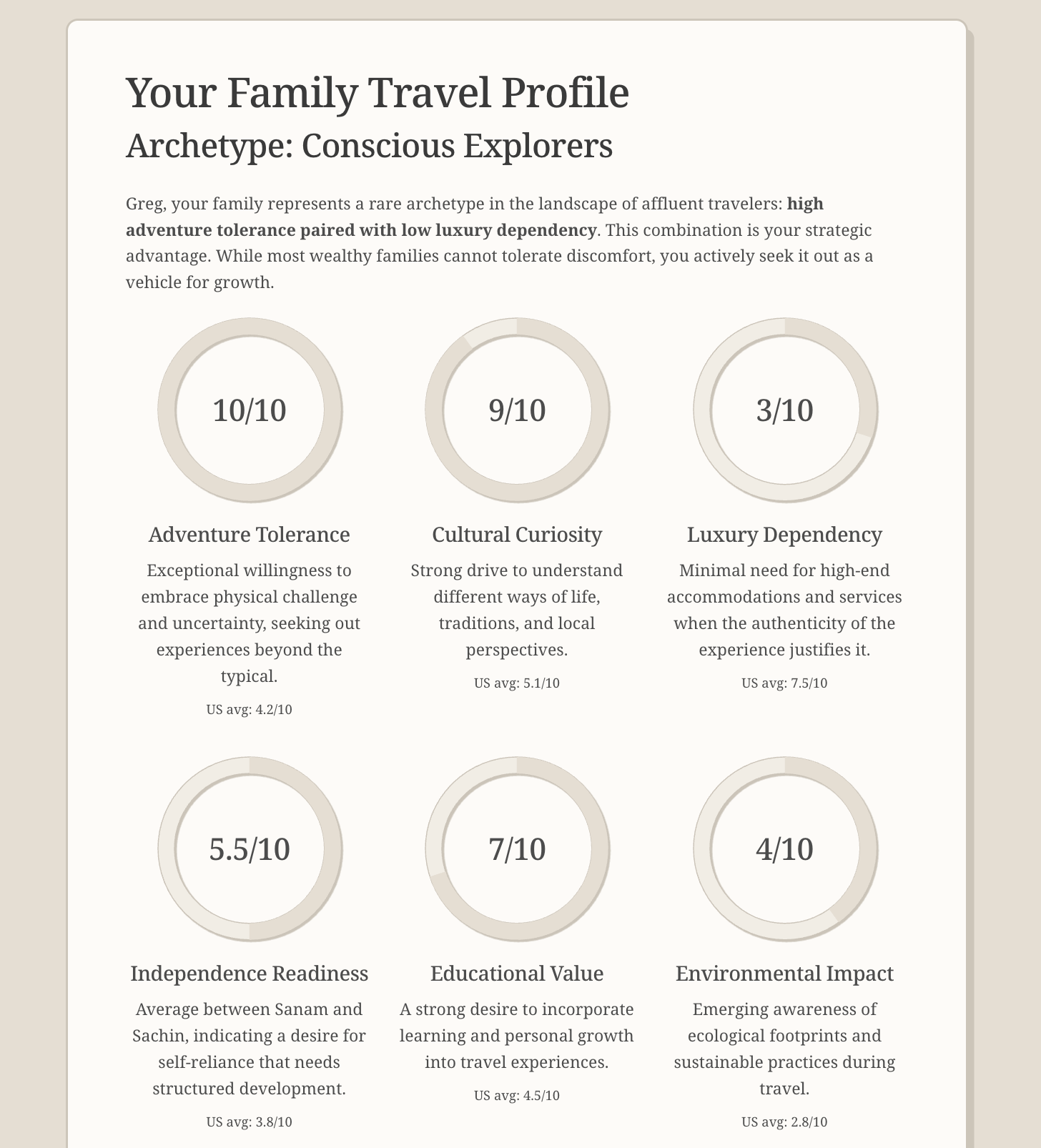
Greg’s Family Travel Profile scores
These gaps became the blueprint's developmental targets. Every destination, every experience, every challenge was chosen to close specific gaps systematically.
Here Greg talks about his experience going through the diagnostic.
The family’s environmental literacy gap translated to ecosystem-focused destinations: Tanzania safari, Patagonia wilderness, Borneo rainforest—each building observation skills, then analysis skills, then systems thinking.
The cultural range gap translated to non-Western immersion: Islamic Morocco, Buddhist Bhutan, Indigenous New Zealand—deliberately chosen to expand beyond the 91% European similarity baseline. The independence gap translated to unique and detailed itineraries.
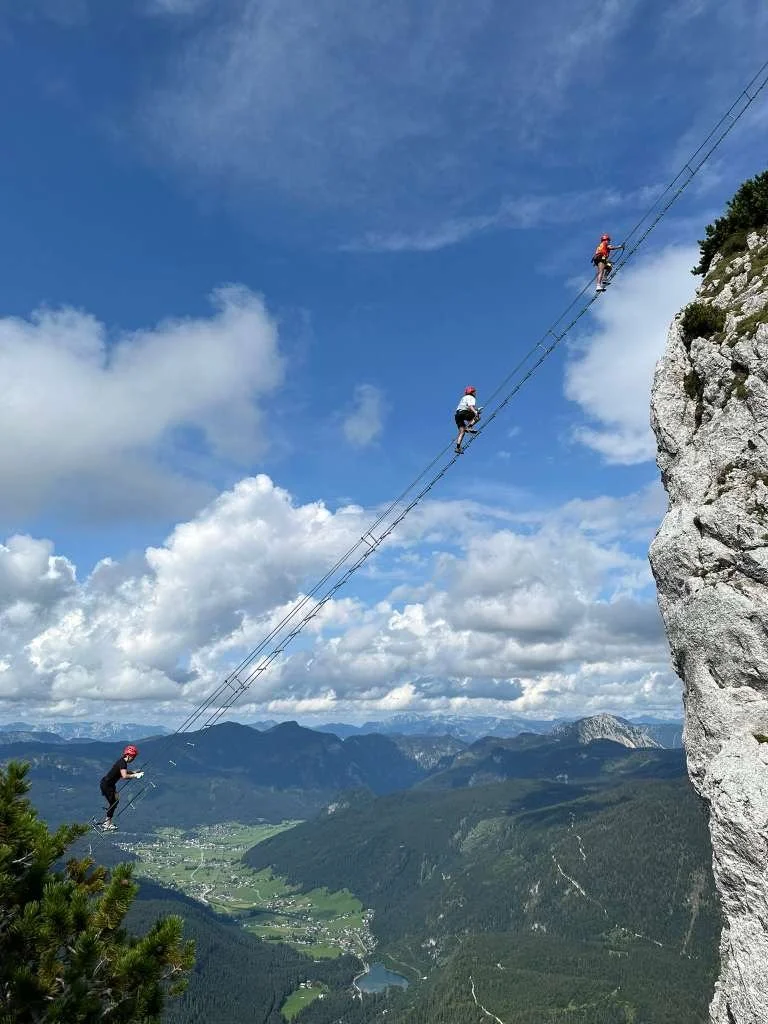
Greg and family on a via ferrata in 2022
Luxury dependence helped us recommend accommodations and experience that matched what they like. Adventure tolerance let us know we could turn things up a few notches.
The Greg Family Blueprint: Three Years, Three Stages
The blueprint specifies year, trip, destination (the what), developmental theme (the why), capability targets (the outcome), optimal timing (the when), and how each trip builds on previous experiences (the sequence).
Greg's three-year blueprint demonstrates how intentional sequencing compounds:
Year 1: Foundation — Tanzania (8% cultural similarity vs. 91% European baseline) shattered the echo chamber and built emotional connection to wild places. Greece and Morocco followed, each strategically placed to prove international travel doesn't require extremes and to use familiar contexts as bridges to the foreign.
Year 2: Deepening — Patagonia, Borneo, and Iceland introduced systems thinking and conservation complexity. The emotional foundation from Year 1 made analytical challenges urgent rather than abstract. You can't care about protecting ecosystems when communities depend on them until you've first fallen in love with wild places.
Year 3: Integration — Sanam's solo New Zealand trek and the father-son Nepal expedition proved everything they'd built. Independence only worked because Years 1-2 systematically developed the capabilities. Each year built what the next required.
Their privilege shifted from invisible assumption to conscious understanding. And Sanam’s previous interest in the environment, turned into her getting into her top university as an environmental science major.
Travel will never guarantee or be the sole reason for a certain outcome for your kids. But it can absolutely make an outsized impact while also building the best memories possible during your short window with them.
Here Greg talks about his Blueprint experience.
Why This Matters Now
There's a 10-15 year window when travel profoundly shapes identity. The research is clear: the cultural framework your children carry into adulthood solidifies during adolescence.
Developmental intentionality works backward from who you want your children to be at 18. It maps prerequisites. It sequences experiences so each trip builds capabilities needed for the next. It matches destinations to developmental windows when they'll have maximum impact.
Intentionality is the difference between hope and design.
Greg's transformation wasn't magic. It was methodology. A diagnostic that revealed gaps. A blueprint that closed them systematically.
He made a commitment to make the next 3 years of travel an investment rather than a bunch of random trips. A compounding investment helping kids understand privilege as responsibility and find a piece of their identity out in the world.
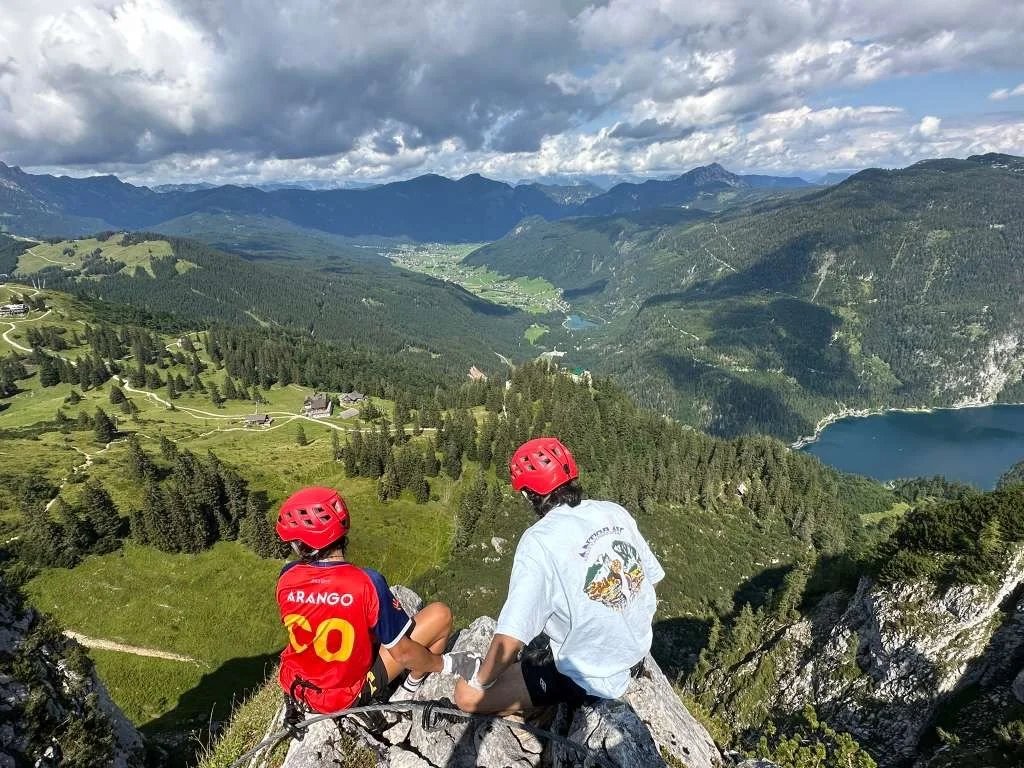
Sanam and Sachin hiking in Switzerland
The window is finite. Your child is getting older. The number of trips left is shrinking. You already know if your current pattern is working. You already know if you're teaching stewardship or consumption, awareness or entitlement.
What you do about it is the only variable that matters.
If this resonates, watch our presentation on the Family Travel Blueprint to learn more.